Food Safety in China: What Expats Need to Know
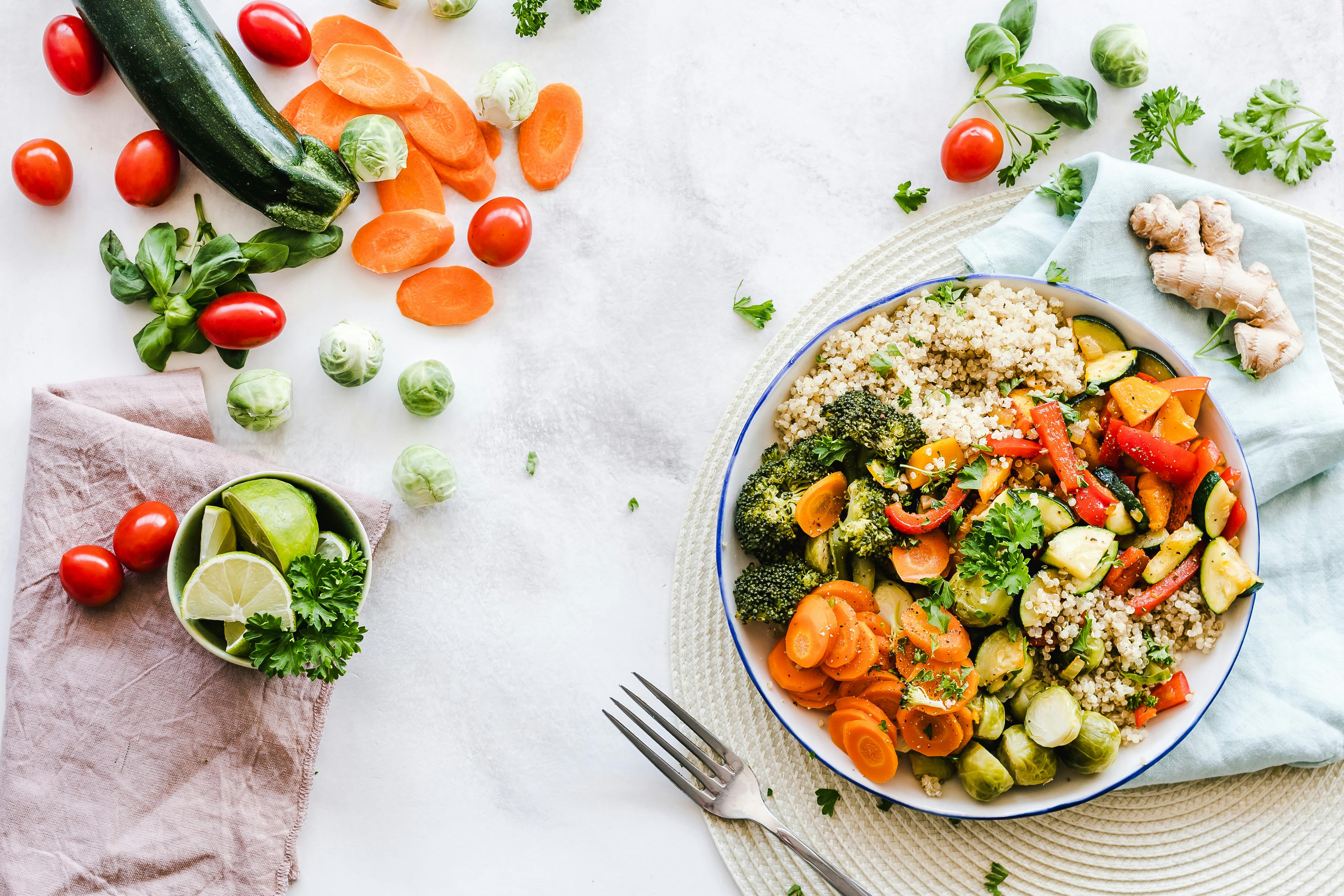
A practical, non-alarmist guide to food safety in China — what the risks actually are, which foods to be cautious about, and how to eat confidently.
Food Safety in China: A Balanced, Practical Guide
Food safety concerns are among the top worries expats have before moving to China. The reality is more nuanced than either "everything is fine" or "it's all dangerous." Here's what you actually need to know.
The Real Risk Landscape
China has had well-publicized food safety scandals — melamine in milk (2008), illegal cooking oil, and pesticide contamination incidents. Since then, food safety regulation has significantly tightened, and the 2015 Food Safety Law introduced substantially stricter enforcement.
That said, the regulatory environment is uneven, and risks do exist — particularly for certain food categories.
Categories to Be Mindful Of
Produce: China uses more pesticides per hectare than most countries. Washing all vegetables thoroughly — or peeling where possible — is a sensible practice. Organic produce (有机食品) is increasingly available at supermarkets like Ole' and City Shop, and at wet markets with certified vendors.
Pork: China is the world's largest pork producer and consumer. Clenbuterol contamination (which affects meat texture and human health) has been a historical issue. Buying from reputable supermarkets (Carrefour, Sam's Club, high-end local chains) substantially reduces risk.
Street food: Generally safe if the stall is busy (high turnover means fresher ingredients) and visibly clean. The "locals eating there" heuristic works well.
Imported foods: Products from reputable importers at international supermarkets carry the same risk profile as in their country of origin.
Practical Habits That Actually Help
- Buy a good quality water filter or use bottled water for drinking and cooking
- Shop at established supermarkets for animal products
- Learn to read Chinese food labels — expiry dates and ingredient lists are your friends
- The 大众点评 (Dianping) app shows restaurant hygiene scores in many cities
The Balanced Take
Millions of expats live healthy, long lives in China eating both home-cooked and restaurant meals without incident. The risks are real but manageable with basic awareness. Don't let food safety anxiety prevent you from experiencing one of the world's greatest food cultures.
对这篇文章有疑问?
向AI提问